

Have you ever found yourself standing in a supplement store in a state of "say what"? Looking at hundreds or even thousands of products that are all saying variations of the same darn thing?
All promising more energy, better wellness, improved vitality, and countless other benefits.
But there's an important question that's usually not being answered:
How much of what you're taking is actually being absorbed and utilized by the body?
Nutritional science continues to evolve, and researchers and product developers are beginning to focus more and more on a concept that may be even more important than the ingredient itself:
Bioavailability.
So what is it?
Bioavailability refers to how much of a nutrient or compound can actually be absorbed and used by the body after consumption.
And that's where big advancements are coming into play. Nutrient fermentation is attracting growing attention. It's becoming a buzz word, and not in the sense of only being a marketing ploy. It's very real.
Some might better equate this with supplement absorption.
Still ... something you are unlikely to see in those supplement stores, is a bottle with the term 'fermented nutrients' on it.
But keep reading as we'll talk more about it.
Absorption - The Supplement Industry's Hidden Challenge
For decades, the supplement industry has largely focused on adding more ingredients.
- More vitamins.
- More minerals.
- More herbs.
- More compounds.
Does quantity matter? Well sure it does. There needs to be enough of a thing in there that will actually do something ... but consumers are beginning to realize that quantity alone doesn't tell the whole story.
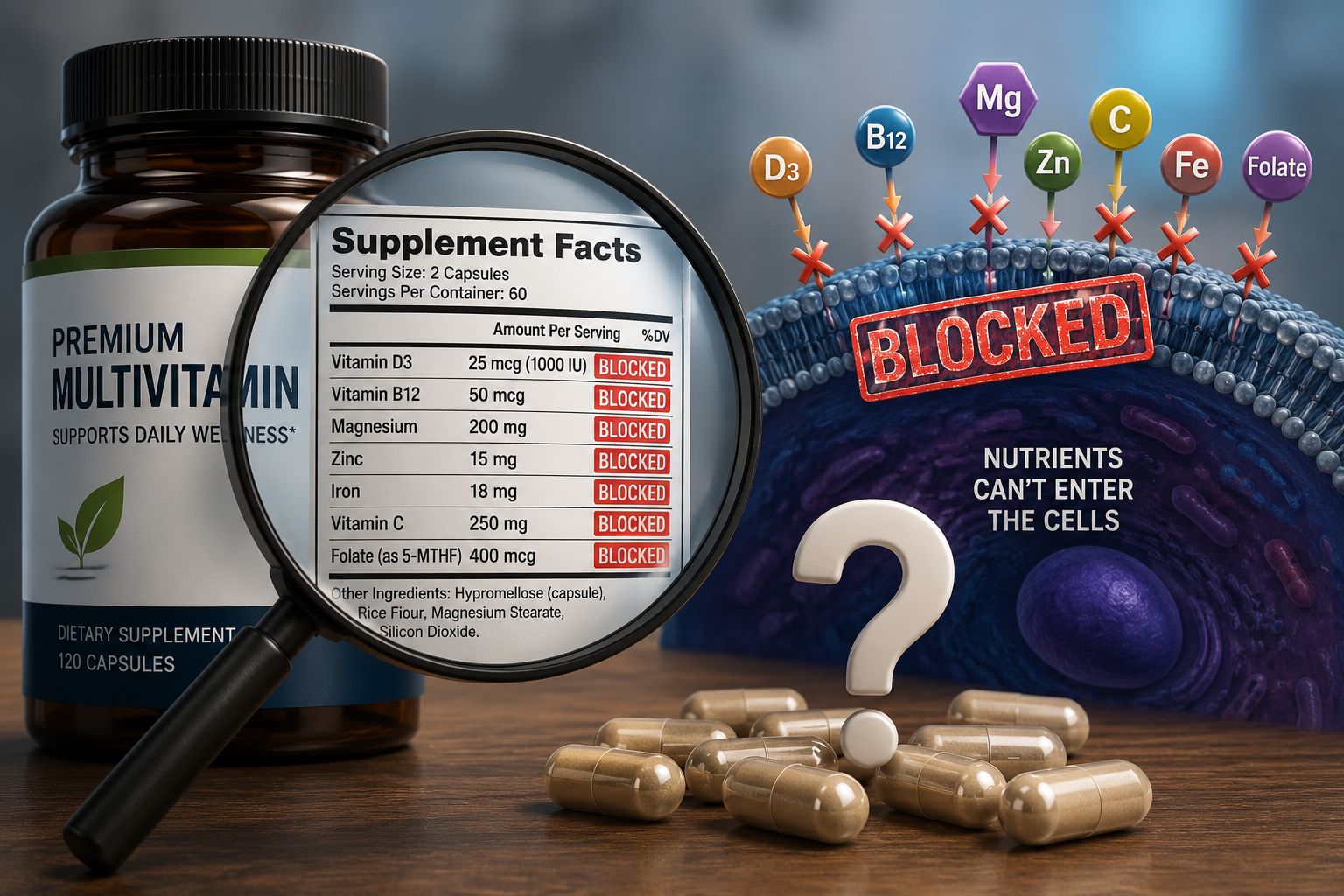
A supplement can contain impressive ingredients on the label, but if those compounds are difficult for the body to absorb, the potential value will be less than it could be.
And that's why scientists and innovators are exploring new ways to improve nutrient absorbtion and efficiency.
One of the most promising approaches is fermentation ... and the resulting fermented nutrients.
So What Is Nutrient Fermentation?
Most people associate fermentation with foods like yogurt. But in reality, fermented nutrients is a true biological process that has been used for thousands of years to transform natural ingredients.
And now the processes are being perfected and modern biotechnology is applying nutrient fermentation in entirely new ways.
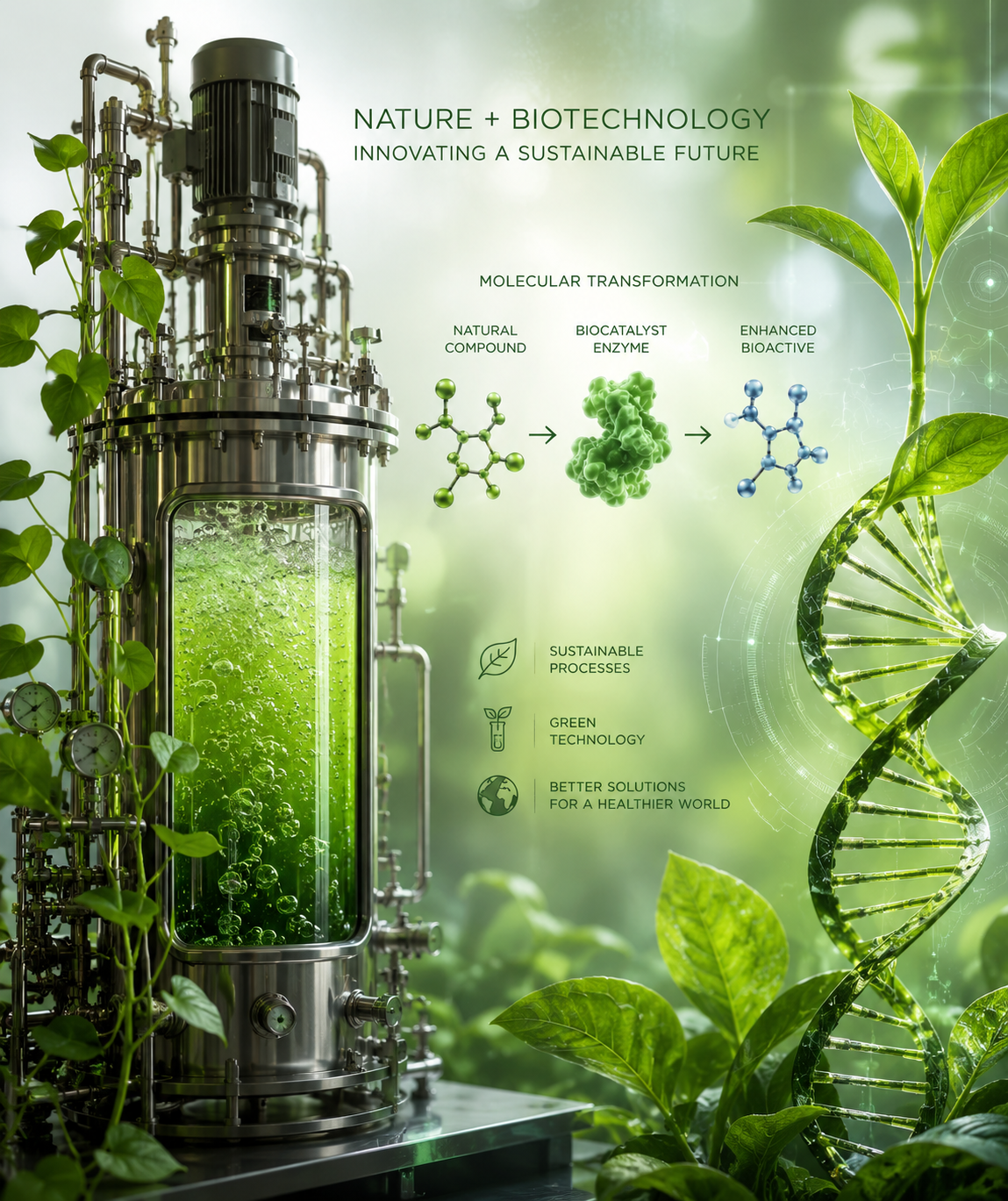
Researchers are finding that carefully controlled fermentation processes help break down complex compounds into forms that make it easier for the body to access and utilize the nurtients that we are consuming.
This is science at the cellular lever. Enhancing supplement absorption and bioavailability of the nutrients is the goal and will remain the goal for these scientists and researchers.
After all ... making these products more efficient will help everyone involved. The consumers, the manufacturers, and the sellers.
This ongoing work has made fermentation one of the most exciting areas of innovation in the wellness industry.
Why Scientists Are Paying Attention to Fermented Nutrients
Fermentation has become a growing area of interest because it may help support several important goals:
- Improved nutrient availability
- Enhanced bioactive compound accessibility
- Better utilization of plant-based ingredients
- More efficient delivery of beneficial compounds
Rather than simply increasing ingredient quantities, fermentation focuses on improving how those ingredients interact with the body.
It's a shift from asking:
"What am I taking?"
to asking:
"What can my body actually use?"
The Rise of Next-Generation Wellness Products
As opposed to ramming more and more ingredients into a bottle in the attemps of making the product sound more impressive, we believe the future of supplementation and supplement absorption will concentrate on better, more efficient delivery and absorption.
We're already seeing this trend through innovations such as:
- Liposomal delivery systems
- Transdermal technologies
- Advanced encapsulation methods
- Precision fermentation processes
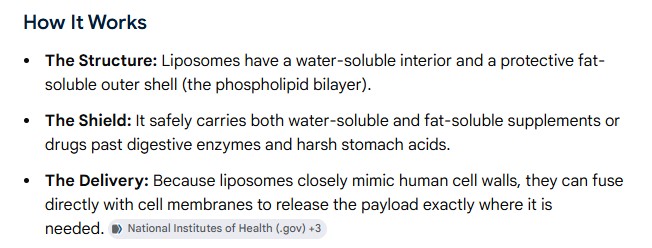
The common goal is simple:
Help the body make better use of what it receives.
As consumer education continues to improve, products that prioritize bioavailability may become increasingly important.
Why This Matters to Consumers
Today's wellness consumers are more informed than ever. They are reading labels and researching ingredients. Some are even comparing formulations and asking questions.
Many consumers are beginning to understand that not all supplements are created equal, and they want to know how to better make their decisions as to which ones are better for them.
Rather than looking only at what's inside a product, they might be asking:
- How is it made?
- How is it delivered?
- How is it absorbed?
- What makes it different?
The answers to these questions will influence their shopping choices leaving them more satisfied that they got their money's worth
After all, people just want products that work, and fermented nutrients brings intrigue and promise to all supplement consumers.
Looking Beyond Ingredients Alone
The future of wellness is changing and it no longer belongs to the products with the longest ingredient lists.
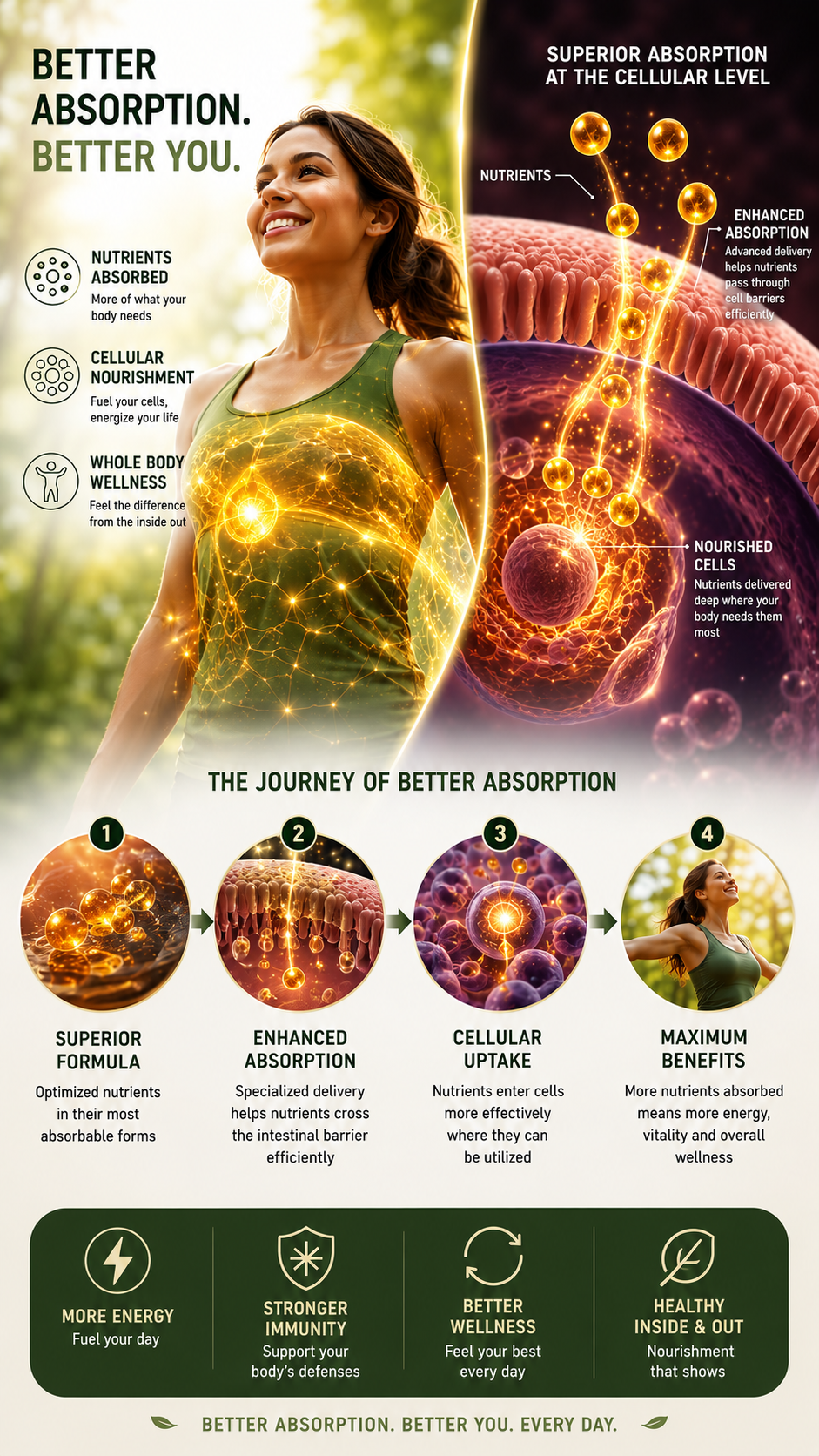
Instead, it belongs to the products that focus on helping the body use nutrients most effectively.
This research into fermentation and supplement absorption will continue to advance, and we should expect to see more attention placed on how the nutrients are delivered—not simply what nutrients are included and how much.
The quantity doesn't matter if they are not getting to where that need to go.
Because in the end, effectiveness isn't just about what goes into a supplement.
It's about what the body can actually do with it.
And that's a conversation that is only beginning.

0 comments